
Understanding the Brass Flush Valve: Essential Insights for Industrial Applications
2026-11-15
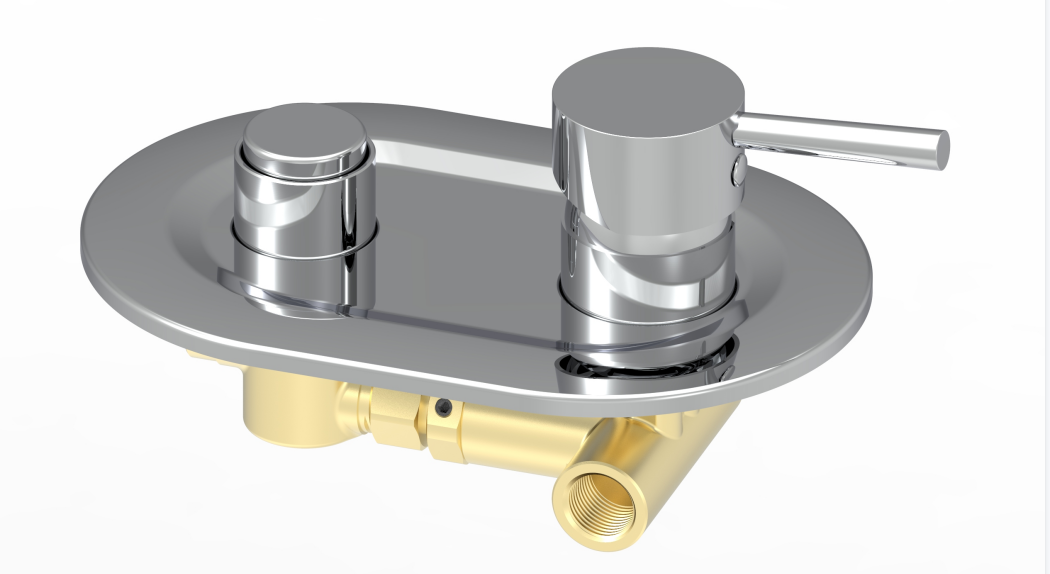
In the realm of industrial equipment, the Brass Flush Valve stands out as an indispensable device used primarily in fluid management systems. These valves are designed to control the flow of liquids in pipes, tanks, and other containers, ensuring efficient operation while maintaining the integrity of the system. Made from brass—a material known for its durability and resistance to corrosion—these valves are particularly suited for environments where reliability and longevity are paramount.
The primary function of a Brass Flush Valve is to regulate the release of water or other fluids. This regulation is achieved through a mechanism that opens and closes based on specific operational conditions. In many industrial applications, including water treatment facilities and manufacturing processes, maintaining proper flow rates and pressure levels is critical. Here, the efficiency of a brass flush valve can significantly impact the overall performance of the system.
One of the advantages of using brass for these valves is its excellent machinability and strong mechanical properties. Brass flush valves can withstand high pressure and temperature variations, which are common in industrial settings. Additionally, the non-corrosive nature of brass makes it ideal for environments where exposure to moisture and chemicals is frequent, ensuring a longer lifespan and reducing the need for frequent replacements.
In terms of applications, Brass Flush Valves are versatile. They can be found in systems ranging from plumbing installations to irrigation setups and even in some specialized industrial processes. Their capability to handle varying flow rates and pressures makes them suitable for a wide range of tasks. Furthermore, many industries rely on these valves for their ease of installation and maintenance, allowing for quick and efficient operational adjustments as needed.
Proper maintenance of Brass Flush Valves is also crucial for optimal performance. Regular inspections should be conducted to check for signs of wear, corrosion, or build-up of debris that can impede functionality. It is advisable to clean the valves periodically and ensure that all moving parts are lubricated to prevent seizing. By adhering to a well-defined maintenance schedule, industrial operators can enhance the reliability and service life of their brass flush valves.
In summary, understanding the functionality, advantages, and maintenance requirements of Brass Flush Valves can lead to improved efficiency in various industrial applications. Their robust design and adaptability make them a preferred choice for professionals seeking reliable solutions in fluid control systems. By investing time in understanding and maintaining these valves, organizations can optimize their operations and ensure long-term success.
Previous:
Related News
Contact Us
Hotline:+86-13825572887
E-mail:kk@kk.gd.cn
Address:No.39, North Industrial Avenue, Zhishan Town, Heshan City, Guangdong Prov., China.
language
English
العربية
বাংলাদেশ
Български
Hrvatski
Česky
Dansk
Nederland
 Esperanto
Slovenski
Filipino
Suomi
Français
Maori
 Shqiptare
Georgian
 Euskara
Deutsch
Ελλάδα
ישראל
इंडिया
Magyarország
Ísland
Indonesia
Irlanda
Italia
日本語
Sovensko
Հայաստան
한국
Kyrgyz
ປະເທດລາວ
 Zulu
Latvian
Lithuanian
Luxembourgish
 Latinus
Macedonian
Малайская
Maltese
Монгол улс
 Cymraeg
ဗမာ
 தமிழ்
नेपाल
Norge
ایران
Polska
Portugal
România
Российская
Србија
 Slovak
Србија
 Slovak
Bosanski
Slovenian
Беларус
España
Sverige
Точик
ประเทศไทย
Türk
Azərbaycan
Uzbek
 Afrikaans
Việt Nam
Join us
Subscribe to get the latest news


No.39, North Industrial Avenue, Zhishan Town, Heshan City, Guangdong Prov., China.