
Common Issues with Brass Urinal Valves and How to Troubleshoot Them
2026-09-17
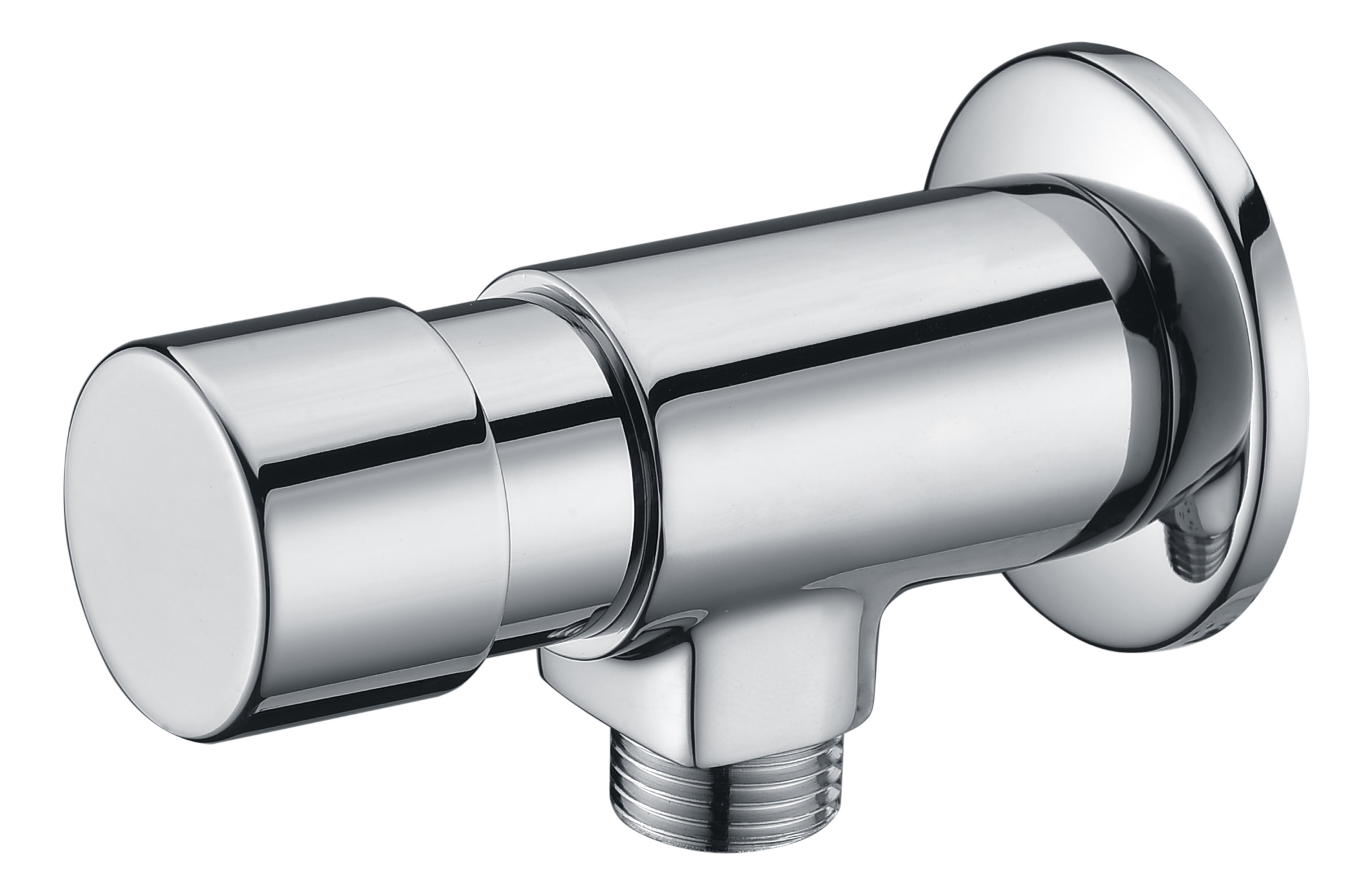
Common Issues with Brass Urinal Valves and How to Troubleshoot Them
1. Introduction to Brass Urinal Valves
Brass urinal valves are critical components in commercial restrooms, primarily used to control the flow of water in urinals. Designed for durability and efficiency, these valves can encounter various issues over time due to wear and tear, sediment build-up, or improper installation. Understanding the common problems associated with brass urinal valves and how to troubleshoot them is essential for maintaining a functional restroom environment.
2. Why Choose Brass Urinal Valves?
Brass is a popular choice for urinal valves due to its resistance to corrosion and ability to withstand high pressure. Additionally, brass valves offer excellent durability, making them a cost-effective option for high-traffic public restrooms. However, even the best materials can face challenges over time.
3. Common Problems with Brass Urinal Valves
Understanding common issues that brass urinal valves experience can help you identify the root cause of any malfunction. Here are some prevalent problems:
3.1 Leaking Urinal Valves
One of the most noticeable issues is leaking, which can result from worn seals or damaged components. A leaking valve not only wastes water but can also lead to damage in the surrounding area.
3.2 Constant Running
A valve that does not shut off completely leads to a continuously running urinal. This issue may be caused by debris in the valve or a malfunctioning diaphragm.
3.3 Low Water Pressure
If the urinal exhibits low water pressure, it can disrupt the flushing mechanism. This problem might arise from clogged pipes or a faulty valve.
3.4 Discoloration and Corrosion
Brass may develop discoloration or corrosion over time. While this does not always affect performance, it can indicate underlying issues that need addressing.
3.5 Difficulty in Flushing
If users experience difficulty in flushing, it could be a sign of internal blockages or valve failure. This problem can lead to unsanitary conditions if not resolved promptly.
4. Troubleshooting Brass Urinal Valve Issues
Once you've identified the specific issue with your brass urinal valve, the next step is troubleshooting. Here, we outline effective methods to address each problem.
4.1 Fixing Leaking Valves
To resolve a leaking valve, first, turn off the water supply. Inspect the valve for any visible cracks or deterioration. **Replace** damaged seals or gaskets, as these are often the culprits behind leaks. Reassemble the valve, and turn the water back on to check for any remaining leaks.
4.2 Addressing Constant Running
A running valve may require a more thorough inspection. Start by removing the valve cover and checking for debris or mineral buildup. Clean the internal components with a soft brush and reinstall. If the problem persists, consider replacing the diaphragm, as it may have worn out.
4.3 Resolving Low Water Pressure
For low water pressure, begin by checking the water supply lines for blockages. Inspect the valve itself for any sediment buildup inside. A simple flush of the valve can often rectify this issue. If necessary, replace the valve to restore proper water flow.
4.4 Cleaning Corroded Valves
Discoloration and corrosion can often be cleaned using a mixture of vinegar and water. Soak the corroded areas and scrub gently with a soft cloth. For severe corrosion, replacing the valve may be the best option to ensure long-term functionality.
4.5 Fixing Difficulty in Flushing
If users are struggling to flush, check for any blockages within the valve or the urinal’s drainage system. Remove any debris that could be obstructing the flow. If the valve is faulty, replacing it ensures a consistent flushing mechanism.
5. Preventative Maintenance for Brass Urinal Valves
Regular maintenance can prevent many of the common issues associated with brass urinal valves. Here are some effective strategies:
5.1 Regular Inspections
Conduct regular inspections of the valves to catch any potential problems early. Look for signs of leaks, corrosion, or sediment buildup.
5.2 Cleaning Valves Periodically
Cleaning the valves periodically helps maintain efficient operation. Remove any buildup that may impede performance.
5.3 Replace Worn Components Promptly
If you notice any worn seals or components, replace them immediately to prevent further issues from developing.
6. When to Call a Professional
While many minor issues can be addressed with DIY methods, there are scenarios where calling a professional is advisable. Here are some signs that professional intervention is necessary:
6.1 Persistent Problems
If you continually face issues with the urinal valve, it may indicate a larger plumbing problem that requires a professional’s expertise.
6.2 Extensive Damage
If you notice extensive corrosion or physical damage to the valve, it's best to consult with a plumber who can assess whether replacement is necessary.
6.3 Lack of Expertise
For those who are not comfortable performing plumbing repairs, hiring a professional is the safest option.
7. FAQs About Brass Urinal Valves
7.1 What is the average lifespan of a brass urinal valve?
The average lifespan of a brass urinal valve ranges between 10 to 20 years, depending on usage and maintenance.
7.2 How can I tell if my urinal valve needs to be replaced?
Signs that a urinal valve needs replacing include constant leaks, persistent low water pressure, and corrosion that cannot be cleaned.
7.3 Can I repair a brass urinal valve myself?
Yes, many minor repairs can be performed by individuals with basic plumbing knowledge, such as replacing seals and cleaning components.
7.4 How do I maintain a brass urinal valve?
Regular inspections, periodic cleaning, and prompt replacement of worn parts are essential for maintaining brass urinal valves.
7.5 What should I look for when purchasing a new urinal valve?
When purchasing a new urinal valve, consider the valve’s material, durability, warranty, and compatibility with your existing plumbing system.
8. Conclusion
Brass urinal valves are essential components in maintaining the functionality of restrooms, particularly in commercial settings. Understanding the common issues that can arise and knowing how to troubleshoot them effectively can save time, money, and unnecessary frustration. Regular maintenance and prompt attention to potential problems will ensure that your brass urinal valves remain in optimal working condition, providing reliable service for years to come. By following the guidelines outlined in this article, you can tackle any issues head-on and ensure a clean, functional restroom environment.
Previous:
Related News
Contact Us
Hotline:+86-13825572887
E-mail:kk@kk.gd.cn
Address:No.39, North Industrial Avenue, Zhishan Town, Heshan City, Guangdong Prov., China.
language
English
العربية
বাংলাদেশ
Български
Hrvatski
Česky
Dansk
Nederland
 Esperanto
Slovenski
Filipino
Suomi
Français
Maori
 Shqiptare
Georgian
 Euskara
Deutsch
Ελλάδα
ישראל
इंडिया
Magyarország
Ísland
Indonesia
Irlanda
Italia
日本語
Sovensko
Հայաստան
한국
Kyrgyz
ປະເທດລາວ
 Zulu
Latvian
Lithuanian
Luxembourgish
 Latinus
Macedonian
Малайская
Maltese
Монгол улс
 Cymraeg
ဗမာ
 தமிழ்
नेपाल
Norge
ایران
Polska
Portugal
România
Российская
Србија
 Slovak
Србија
 Slovak
Bosanski
Slovenian
Беларус
España
Sverige
Точик
ประเทศไทย
Türk
Azərbaycan
Uzbek
 Afrikaans
Việt Nam
Join us
Subscribe to get the latest news


No.39, North Industrial Avenue, Zhishan Town, Heshan City, Guangdong Prov., China.