
Understanding Brass Flush Valves: A Comprehensive Guide for Industrial Applications
2026-05-17
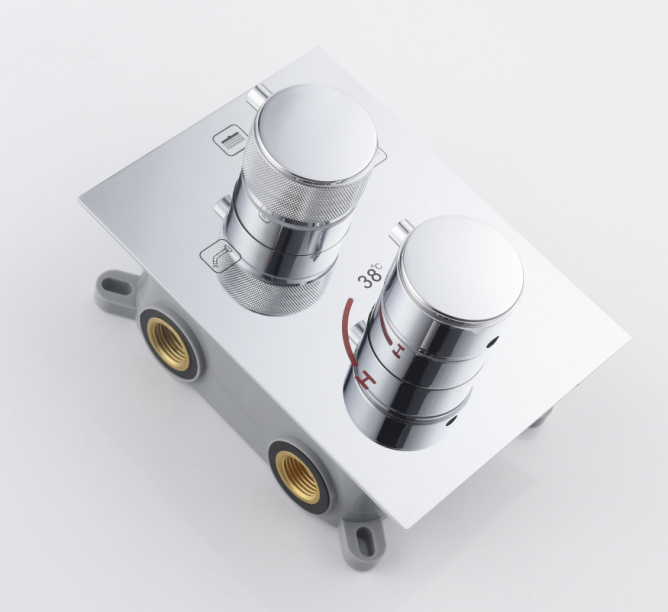
Brass flush valves are integral components within various industrial applications, especially in fluid management systems. These valves are designed to control the flow of liquids, ensuring that processes run smoothly and efficiently. The construction of brass flush valves typically consists of a robust brass body, which provides excellent resistance to corrosion and wear, making them ideal for demanding environments.
One of the primary functions of a brass flush valve is to regulate the flow of water, air, or other fluids in a system. When activated, the valve opens to allow fluid to pass through while sealing tightly to prevent leaks. This mechanism is crucial in maintaining the desired pressure and flow rate within the system. The design of brass flush valves often includes a flush mechanism that allows for easy cleaning and maintenance, ensuring the longevity of the valve and the efficiency of the entire system.
Brass is a preferred material for flush valves due to its favorable properties. It is not only durable but also resistant to rust and chemical corrosion, which is vital in industrial applications where exposure to harsh substances is common. Additionally, brass flush valves are known for their excellent thermal conductivity, allowing them to withstand high temperatures without compromising functionality.
When selecting a brass flush valve, it’s essential to consider various factors such as the pressure rating, size, and compatibility with the fluids being handled. Proper selection ensures that the valve operates effectively within the intended application, reducing the likelihood of malfunctions or system failures. Regular inspection and maintenance of brass flush valves are also recommended to ensure optimal performance. This includes checking for signs of wear, leaks, or blockages that could hinder operation.
Furthermore, the installation of brass flush valves should be conducted by qualified personnel to ensure compliance with industry standards and safety regulations. An improperly installed valve can lead to significant operational issues, including leaks and inefficiencies.
In summary, brass flush valves play a critical role in industrial fluid management systems, offering durability, reliability, and efficient flow control. Their construction from high-quality brass ensures they can withstand the demanding conditions often found in industrial environments. Understanding the function and maintenance of these valves can help ensure the efficiency and longevity of your fluid systems, making them a valuable asset in any industrial setting.
One of the primary functions of a brass flush valve is to regulate the flow of water, air, or other fluids in a system. When activated, the valve opens to allow fluid to pass through while sealing tightly to prevent leaks. This mechanism is crucial in maintaining the desired pressure and flow rate within the system. The design of brass flush valves often includes a flush mechanism that allows for easy cleaning and maintenance, ensuring the longevity of the valve and the efficiency of the entire system.
Brass is a preferred material for flush valves due to its favorable properties. It is not only durable but also resistant to rust and chemical corrosion, which is vital in industrial applications where exposure to harsh substances is common. Additionally, brass flush valves are known for their excellent thermal conductivity, allowing them to withstand high temperatures without compromising functionality.
When selecting a brass flush valve, it’s essential to consider various factors such as the pressure rating, size, and compatibility with the fluids being handled. Proper selection ensures that the valve operates effectively within the intended application, reducing the likelihood of malfunctions or system failures. Regular inspection and maintenance of brass flush valves are also recommended to ensure optimal performance. This includes checking for signs of wear, leaks, or blockages that could hinder operation.
Furthermore, the installation of brass flush valves should be conducted by qualified personnel to ensure compliance with industry standards and safety regulations. An improperly installed valve can lead to significant operational issues, including leaks and inefficiencies.
In summary, brass flush valves play a critical role in industrial fluid management systems, offering durability, reliability, and efficient flow control. Their construction from high-quality brass ensures they can withstand the demanding conditions often found in industrial environments. Understanding the function and maintenance of these valves can help ensure the efficiency and longevity of your fluid systems, making them a valuable asset in any industrial setting.
Related News
Contact Us
Hotline:+86-13825572887
E-mail:kk@kk.gd.cn
Address:No.39, North Industrial Avenue, Zhishan Town, Heshan City, Guangdong Prov., China.
language
English
العربية
বাংলাদেশ
Български
Hrvatski
Česky
Dansk
Nederland
 Esperanto
Slovenski
Filipino
Suomi
Français
Maori
 Shqiptare
Georgian
 Euskara
Deutsch
Ελλάδα
ישראל
इंडिया
Magyarország
Ísland
Indonesia
Irlanda
Italia
日本語
Sovensko
Հայաստան
한국
Kyrgyz
ປະເທດລາວ
 Zulu
Zulu
Latvian
Lithuanian
Luxembourgish
 Latinus
Macedonian
Малайская
Maltese
Монгол улс
 Cymraeg
ဗမာ
 தமிழ்
தமிழ்
नेपाल
Norge
ایران
Polska
Portugal
România
Российская
Србија
 Slovak
Србија
 Slovak
Bosanski
Slovenian
Беларус
España
Sverige
Точик
ประเทศไทย
Türk
Azərbaycan
Uzbek
 Afrikaans
Việt Nam
Join us
Subscribe to get the latest news


No.39, North Industrial Avenue, Zhishan Town, Heshan City, Guangdong Prov., China.