
Understanding the Functionality of Brass Urinal Valves in Industrial Settings
2026-01-01
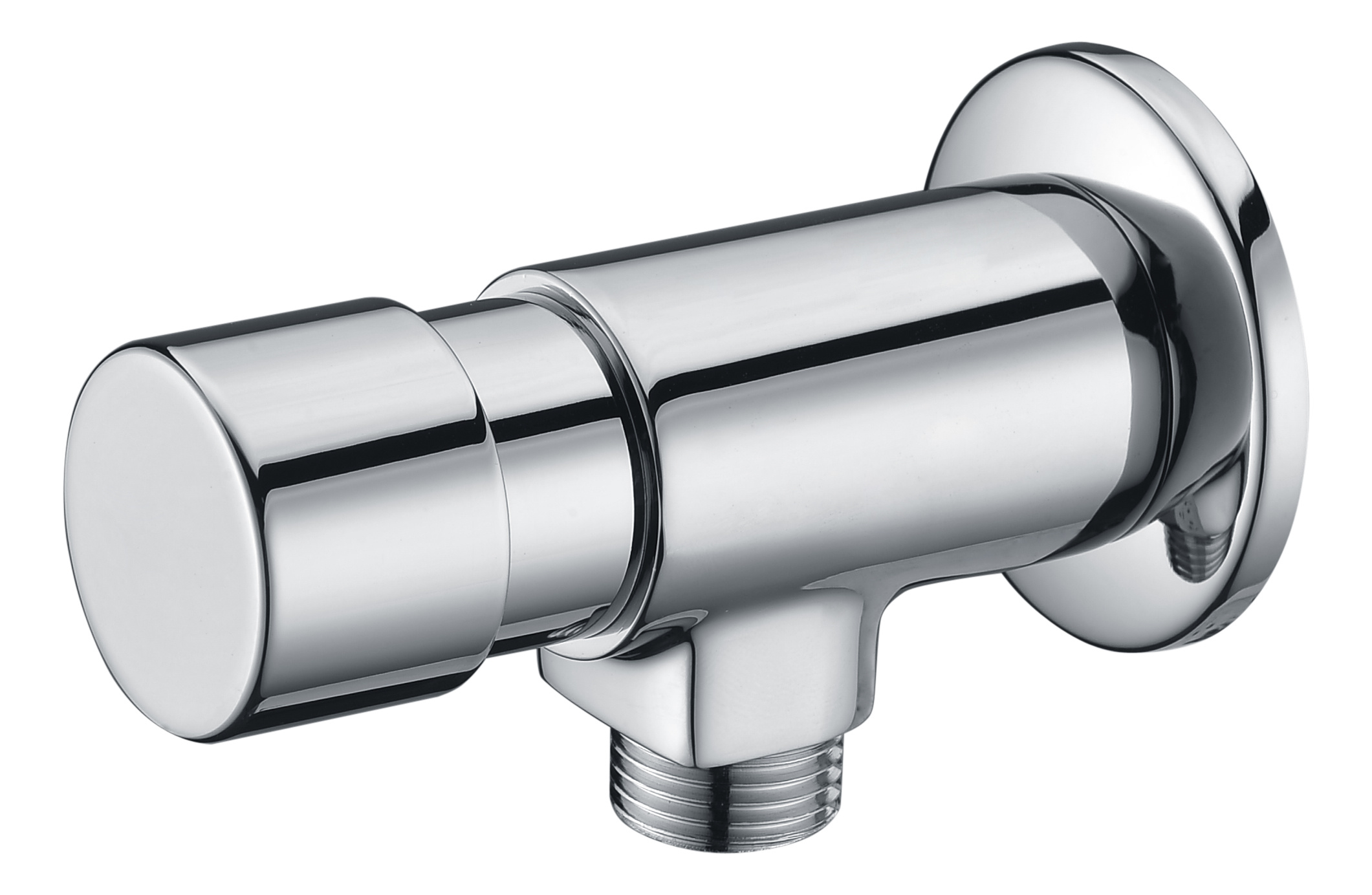
Understanding the Functionality of Brass Urinal Valves in Industrial Settings
Table of Contents
- 1. Introduction to Brass Urinal Valves
- 2. Importance of Brass Urinal Valves in Industrial Settings
- 3. How Brass Urinal Valves Work
- 4. Types of Brass Urinal Valves Available
- 5. Proper Installation Techniques for Brass Urinal Valves
- 6. Maintenance and Troubleshooting of Brass Urinal Valves
- 7. Advantages of Using Brass Urinal Valves
- 8. Frequently Asked Questions
- 9. Conclusion
1. Introduction to Brass Urinal Valves
Brass urinal valves play a vital role in maintaining hygiene and efficiency in industrial restroom facilities. These components are designed to regulate water flow in urinals, ensuring that they flush efficiently and effectively. Understanding their functionality is crucial for facility managers, maintenance teams, and anyone involved in industrial sanitation. This article aims to provide an in-depth look at brass urinal valves, discussing their importance, functionality, types, installation, maintenance, and advantages.
2. Importance of Brass Urinal Valves in Industrial Settings
In industrial environments, where sanitation is paramount, the performance of urinal valves can significantly impact overall hygiene standards. The significance of brass urinal valves extends beyond mere functionality; they contribute to:
- **Water Conservation**: Efficient urinal valves can help minimize water waste, thereby reducing utility costs and supporting sustainability efforts.
- **Health and Safety**: Properly functioning valves help prevent overflow and unpleasant odors, thereby maintaining a safe and clean environment for employees.
- **Operational Efficiency**: With reliable flushing mechanisms, brass urinal valves ensure that restrooms remain in optimal condition, which is essential for employee satisfaction.
3. How Brass Urinal Valves Work
Brass urinal valves operate using a straightforward yet effective mechanism. Generally, there are two primary types of valves: manual and automatic.
Manual Brass Urinal Valves
Manual valves require user interaction to initiate the flushing process. Users typically push a button or pull a lever, which opens the valve and allows water to flow into the urinal. After a predetermined duration, the valve automatically closes, stopping the water supply.
Automatic Brass Urinal Valves
Automatic valves use sensors to detect when a user is present. Upon detection, the valve opens and allows water to flush the urinal. These valves are designed to close automatically after a set time or once the user has left the vicinity. This technology enhances water conservation and hygiene by minimizing human contact with surfaces.
4. Types of Brass Urinal Valves Available
Choosing the right type of brass urinal valve is essential for optimal performance. The following types are commonly found in industrial settings:
Flushometer Valves
Flushometer valves are designed to deliver a specific volume of water per flush, ensuring consistent performance. These valves are typically used in high-traffic areas where durability and reliability are critical.
Diaphragm Valves
Diaphragm valves utilize a flexible diaphragm to control water flow. They are known for their ability to handle varying water pressures and are often preferred for their ease of maintenance.
Solenoid Valves
Electrical solenoid valves are ideal for automatic flushing systems. They use electromagnetic coils to control water flow. These valves are often integrated with sensor technology to enhance water efficiency.
5. Proper Installation Techniques for Brass Urinal Valves
Correct installation of brass urinal valves is crucial for their optimal performance. Below are some essential steps to consider during installation:
Preparation
Before installation, ensure that the water supply is turned off and that all necessary tools (wrenches, screwdrivers, etc.) are on hand. It’s also essential to have the correct valve size and type that fits the specific urinal model.
Steps for Installation
1. **Remove Existing Valve**: Disconnect the old valve by unscrewing it from the urinal and the water supply line.
2. **Clean the Area**: Ensure that the connection points are clean and free of debris, which can impede the new valve's performance.
3. **Install the New Valve**: Connect the new brass urinal valve to the water supply line and the urinal, ensuring that all connections are secure to prevent leaks.
4. **Test the System**: Once installed, turn on the water supply and test the valve for functionality and leaks.
6. Maintenance and Troubleshooting of Brass Urinal Valves
Routine maintenance is essential to ensure the longevity and efficiency of brass urinal valves. Here are some maintenance tips:
Regular Inspections
Conduct regular inspections to check for wear and tear. Look for leaks around the valve connections and listen for unusual sounds during operation.
Cleaning
Periodically clean the valve components to prevent mineral buildup, which can obstruct water flow. Use a soft brush and vinegar solution to remove any deposits without damaging the brass.
Troubleshooting Common Issues
1. **Weak Flush**: If the urinal flushes inadequately, check for clogs in the valve or the urinal drain. Ensure that the water supply pressure is adequate.
2. **Continuous Flow**: If water continues to flow after flushing, the valve may be malfunctioning. Inspect the diaphragm or solenoid for damage and replace if necessary.
3. **Leaking Valve**: Tighten all connections and inspect the valve for cracks or defects. Replace any damaged parts immediately.
7. Advantages of Using Brass Urinal Valves
Brass urinal valves offer numerous advantages that make them a preferred choice in industrial settings:
Durability
Brass is known for its strength and resistance to corrosion, making brass urinal valves long-lasting, even in high-traffic environments.
Cost-Effectiveness
While the initial cost may be higher than plastic alternatives, the durability and lower maintenance costs associated with brass valves make them more cost-effective in the long run.
Temperature Resistance
Brass can withstand a wide range of temperatures, ensuring reliable performance in various industrial applications, including those with extreme conditions.
Environmental Benefits
With their efficient flushing capabilities, brass urinal valves help reduce water consumption, contributing to environmental sustainability efforts.
8. Frequently Asked Questions
What is a brass urinal valve?
A brass urinal valve is a plumbing component that regulates water flow to urinals, ensuring effective flushing for sanitation.
How often should brass urinal valves be maintained?
It’s advisable to inspect and clean brass urinal valves at least twice a year to ensure optimal functionality.
Can I replace a brass urinal valve myself?
Yes, with the right tools and knowledge, replacing a brass urinal valve can be a straightforward DIY task.
What are the signs of a malfunctioning urinal valve?
Common signs include weak flushes, continuous water flow, and leaks around the valve connections.
Why choose brass over plastic for urinal valves?
Brass offers superior durability, resistance to corrosion, and better temperature tolerance compared to plastic valves.
9. Conclusion
In summary, brass urinal valves are essential components in industrial sanitation systems. Their functionality, durability, and cost-effectiveness make them a preferred choice for facility managers aiming to maintain high hygiene standards. By understanding the types, installation, maintenance, and advantages of brass urinal valves, we can ensure optimal performance and contribute to a healthier work environment. Investing in quality brass urinal valves is not just about functionality but also about enhancing the overall sanitation experience in industrial settings.
Related News
Contact Us
Hotline:+86-13825572887
E-mail:kk@kk.gd.cn
Address:No.39, North Industrial Avenue, Zhishan Town, Heshan City, Guangdong Prov., China.
language
English
العربية
বাংলাদেশ
Български
Hrvatski
Česky
Dansk
Nederland
 Esperanto
Slovenski
Filipino
Suomi
Français
Maori
 Shqiptare
Georgian
 Euskara
Deutsch
Ελλάδα
ישראל
इंडिया
Magyarország
Ísland
Indonesia
Irlanda
Italia
日本語
Sovensko
Հայաստան
한국
Kyrgyz
ປະເທດລາວ
 Zulu
Zulu
Latvian
Lithuanian
Luxembourgish
 Latinus
Macedonian
Малайская
Maltese
Монгол улс
 Cymraeg
ဗမာ
 தமிழ்
தமிழ்
नेपाल
Norge
ایران
Polska
Portugal
România
Российская
Србија
 Slovak
Србија
 Slovak
Bosanski
Slovenian
Беларус
España
Sverige
Точик
ประเทศไทย
Türk
Azərbaycan
Uzbek
 Afrikaans
Việt Nam
Join us
Subscribe to get the latest news


No.39, North Industrial Avenue, Zhishan Town, Heshan City, Guangdong Prov., China.